

The Sleep Journal
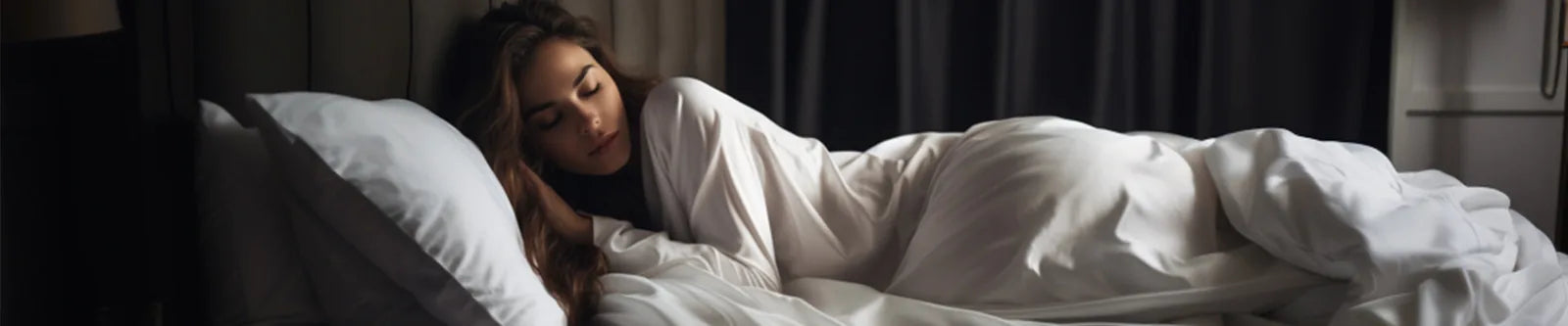

Creating the Ultimate STR Bed & Bath Oasis
When it comes to short-term rentals, first impressions matter. The bed and bathroom setup can make or break the overall guest experience. Enter California Design Den's 100% cotton, eco-friendly linens – the key to crafting an inviting and luxurious atmosphere for your guests. In this guide, we'll walk you through the art of creating the perfect bed and bathroom oasis using California Design Den's premium linens, ensuring your guests enjoy a stay they won't forget. Why California Design Den? California Design Den stands out in the realm of luxury linens for its dedication to quality, sustainability, and exquisite design. Our linens are crafted with the environment in mind, using 100% cotton that provides unparalleled comfort and a touch of elegance. Step 1: Bedding Bliss The bed is the heart of your short-term rental, and the linens you choose can make all the difference. Choose the Right Sheets: Opt for California Design Den's 100% organic cotton sheets. They're not only incredibly soft but also eco-friendly, ensuring a comfortable and guilt-free slumber for your guests. Focus on Thread Count: Thread count matters when it comes to luxury. California Design Den offers a range of options, from 400 to 1000tc, so consider your budget and the level of indulgence you want to provide. Layer with Comfort: Add depth and comfort to the bed with duvet covers, quilts, and throw pillows that complement the room's aesthetic. Make sure to select designs that are both inviting and timeless. Step 2: Towel Elegance The bathroom should be an extension of the luxurious experience. Elevate it with our Signature Bath towels. Plush Towels: California Design Den's towels are not just functional; they're also indulgent. Choose from a variety of sizes and colors to match your bathroom decor and offer your guests an exquisite experience. Quality and Durability: These towels are made to withstand the test of time and numerous wash cycles, a must for any short-term rental. Step 3: Eco-Friendly Excellence A crucial aspect of California Design Den's linens is eco-friendliness. By choosing these linens, you're contributing to a more sustainable future. Organic Cotton: California Design Den's linens are crafted from organic cotton, which means no harmful chemicals for your guests and a reduced environmental footprint. Sustainable Sourcing: California Design Den is committed to responsible sourcing and manufacturing practices, ensuring that your linens align with eco-conscious values. Step 4: Attention to Detail To truly transform your short-term rental, pay attention to the finer details: Presentation: The way you present your linens speaks volumes about your commitment to guest comfort. Fold and arrange the linens thoughtfully to create an inviting atmosphere. Scented Ambiance: Consider using subtle room sprays or linen sprays to infuse a pleasant scent in the bedroom and bathroom areas. Step 5: Gathering Feedback After implementing California Design Den's linens in your short-term rental, encourage guest feedback. Their insights can provide valuable information about the success of your revamped bed and bathroom setup. Conclusion Creating the perfect bed and bathroom oasis in your short-term rental is a blend of luxury, comfort, and sustainability. By choosing California Design Den's 100% cotton, eco-friendly linens, you're not only providing your guests with a memorable experience but also making a positive impact on the environment. Elevate your rental's ambiance and leave a lasting impression with linens that epitomize quality, style, and responsibility. To create a more customized experience, please reach out to our VIP team at [email protected].
Learn more
Finding the Perfect Sheets for Your Short-Term Rental: A Comprehensive Guide
When it comes to setting up a short-term rental, every detail matters. From the decor to the amenities, creating a comfortable and welcoming space for your guests is paramount. One essential aspect that often goes unnoticed but plays a significant role in guest satisfaction is the choice of sheets. In this guide, we'll explore what makes the best sheets for a short-term rental, highlighting various options, including California Design Den's 400 thread count sheets, as a noteworthy cost-effective choice. What Makes the Best Sheets? The best sheets for a short-term rental strike a balance between comfort, durability, and aesthetics. Here are some factors to consider when choosing the ideal sheets: Material: Opt for sheets made from high-quality materials like cotton, linen, or microfiber. Cotton is a popular choice due to its breathability and softness, while linen offers a luxurious feel. Microfiber sheets are known for their durability and affordability. Thread Count: Thread count refers to the number of threads woven into a square inch of fabric. While a higher thread count can indicate softness, it's not the only factor to consider. Look for a thread count that balances comfort and durability. Durability: In a short-term rental, sheets endure frequent use and laundering. Choose sheets with strong stitching, reinforced edges, and a fabric that can withstand the wear and tear. Maintenance: Easy care is essential. Sheets that are machine washable and require minimal ironing are ideal for the fast-paced turnover of a short-term rental. Aesthetics: Consider the overall aesthetic of your rental property. Opt for sheets that match the decor and create a cohesive, inviting atmosphere. 400 Thread Count: The Perfect Short Term Rental Sheet? When it comes to cost-effective options without compromising quality, California Design Den's 400 thread count sheets deserve a spotlight. These sheets offer a blend of comfort and affordability that's perfect for short-term rentals: Thread Count: With a thread count of 400, these sheets strike a balance between softness and durability, ensuring a comfortable sleep experience for your guests. Material: Crafted from 100% cotton, these sheets are breathable, making them suitable for various climates. They provide a crisp and cool feel, enhancing guest comfort. Durability: The sheets are designed with double-stitched seams and reinforced edges, ensuring they can withstand frequent use and laundering without losing their quality. Easy Care: California Design Den's sheets are easy to care for, requiring minimal effort from your cleaning staff. They maintain their appearance and softness even after multiple washes. Aesthetics: Available in a variety of colors and designs, these sheets can complement any room decor, adding a touch of elegance to your short-term rental. While California Design Den's 400 thread count sheets are a great option, it's essential to explore other choices as well. Different rental properties have unique needs, and a range of options ensures you find the perfect fit. Conclusion Selecting the best sheets for your short-term rental is a decision that can significantly impact guest satisfaction. Remember to consider factors like material, thread count, durability, and aesthetics. While California Design Den's 400 thread count sheets are indeed a commendable choice, the key is to find sheets that align with your property's unique requirements. With the right sheets, you'll create an inviting haven that leaves your guests eager to return for another memorable stay. If you need any custom help or recommendations for the perfect sheet for your unique situation, please feel free reach out to our VIP rental team here.
Learn more
The Allure of Crisp White Bedding: Why Guests Prefer it in Hotels and Short-Term Rentals
Picture stepping into a hotel room or short-term rental and being greeted by a pristine, white bed. There's an undeniable charm and elegance to white bedding that captures the hearts of guests around the world. In this blog post, we'll explore the reasons why guests prefer white bedding in hotels and short-term rentals, and how it adds an extra layer of luxury to their stay. 1. Cleanliness and Freshness White bedding exudes a sense of cleanliness and freshness that's hard to replicate with other colors. Guests instantly feel at ease knowing that their sleeping environment is spotless and hygienic. White sheets and pillowcases create an inviting oasis that encourages relaxation after a day of travel or exploration. 2. A Blank Canvas of Comfort White bedding acts as a blank canvas, offering a versatile backdrop that complements any decor. Whether your property boasts modern, minimalist, or traditional design elements, white bedding seamlessly fits in, enhancing the room's aesthetic without clashing with other colors or patterns. 3. Hotel-Inspired Luxury Hotels have long embraced white bedding as a symbol of luxury and sophistication. When guests encounter white sheets and comforters in a short-term rental, they immediately associate it with the pampering experience they'd expect from a high-end hotel stay. 4. The Illusion of Space White is known to create an illusion of spaciousness and airiness. This is especially beneficial for smaller rooms commonly found in short-term rentals. White bedding can visually expand the room, making it feel more open and inviting. 5. Timelessness and Versatility Trends come and go, but white bedding remains timeless and always in vogue. It's a safe choice for property owners who want to provide a consistently pleasing experience to guests regardless of changing design trends. 6. Ease of Maintenance White bedding may seem high-maintenance at first glance, but it's surprisingly practical. Stains are easily detected and treated, ensuring a quick turnaround between guest stays. Regular washing keeps the bedding looking bright and inviting, maintaining the allure of a clean and comfortable space. 7. Calming and Relaxing Ambiance White is associated with calmness, purity, and tranquility. When guests enter a room with white bedding, they immediately feel a sense of serenity. This creates an inviting ambiance that contributes to a relaxing and restful stay. 8. An Inviting Sleep Haven Guests often look forward to a good night's sleep during their travels. White bedding promotes a sense of comfort and coziness that encourages relaxation and quality rest. The neutral color palette doesn't distract from the primary purpose of the bed – restful sleep. Conclusion There's a timeless allure to white bedding that resonates with guests in hotels and short-term rentals alike. Its association with cleanliness, luxury, and relaxation makes it a top choice for creating a memorable and inviting guest experience. Whether you're managing a boutique hotel or a cozy vacation rental, white bedding is a design choice that speaks volumes, ensuring your guests feel truly welcomed and cherished during their stay. To learn more, please check out our full selection of (white) sheets in store here.
Learn more
Best Towels for Vacation Rentals: Complete Bulk Buying Guide
Key Takeaways 400–600 GSM is the best range for vacation rental towels- good quality feel for guests, practical enough for frequent washing. 100% cotton is the most reliable material for commercial use. It cleans well, lasts longer, and softens over time. White towels are the smart choice- they bleach cleanly, show wear quickly, and look professional in any bathroom. Stock 2–3 complete sets per guest to handle back-to-back bookings without running short. Look for independently verified certifications like OEKO-TEX® when comparing suppliers. What Are the Best Towels for Vacation Rentals? The short answer: 100% cotton bath towels, 400–600 GSM, bought in white, from a reliable hospitality towels supplier for rentals. They need to be large enough for guest comfort, durable enough for repeated washing, and consistent enough that every guest gets the same quality experience. Everything else in this guide helps you make that decision well. Why Towels Matter More Than You Think Towels are one of the first things guests touch when they arrive. And they show up in reviews more often than most hosts expect. Thin, rough, or worn-out towels leave a bad impression- even when everything else about your property is great. But the answer isn't to buy the most expensive spa towels on the market either. Heavy luxury towels wear down faster in commercial laundry conditions and slow down your housekeeping between bookings. What you need are hotel quality towels for rental properties- built for guest comfort and designed to hold up under frequent use. GSM: The Most Important Number to Know GSM (grams per square meter) tells you how much fabric is in each square meter of a towel. It's the best indicator of weight, thickness, and durability. When looking for the best GSM towels for rentals, here's how the ranges break down: GSM Range Feel Best For 300–400 GSM Light, thin Pool towels, very high turnover 400–500 GSM Medium, quick-drying Most vacation rentals 500–600 GSM Plush, hotel-quality Premium listings 600+ GSM Heavy, spa-like Luxury, slower turnover For most rental operators, 450–550 GSM is the right target. Guests feel the quality. The towels dry and launder efficiently. And they hold up through many wash cycles without going flat or gray. Material: What to Buy and What to Avoid 100% cotton is what hotels and rental operators consistently rely on. It absorbs well, handles high-temperature washing, and actually gets softer over time. When you're buying durable bath towels wholesale, this is the material that delivers the longest lifespan per dollar spent. Two types worth knowing: Ring-spun cotton is made by twisting and thinning cotton fibers into a tighter, smoother yarn. It resists pilling and holds softness through heavy use- important for durable bath towels for high turnover rentals. Combed cotton is cotton that's been combed before spinning to remove weaker, shorter fibers. What's left is a finer, more consistent yarn. Most commercial grade towels for vacation homes use combed or ring-spun cotton for exactly this reason. Avoid microfiber-only towels for primary guest use. They dry fast, but they don't launder as cleanly at high temperatures and don't have the feel guests expect. White Towels: The Standard for Good Reason New hosts often ask whether colored or patterned towels are a better fit for their property's style. The hospitality industry has largely settled this question- white is the right choice for hotel towels for vacation homes, and here's why. White towels can be laundered with bleach. That's the most effective way to sanitize them between guests. Colored towels fade unevenly when bleached and give you fewer cleaning options overall. White also makes inspection easy- wear, staining, and thinning are immediately visible, so you can pull a towel before a guest notices it. And in listing photos, white towels read clean and professional. How Many Towels Do You Need? A practical starting point per guest, per stay: 2 bath towels 1 hand towel 1 washcloth Most experienced property managers stock 2–3 full sets per occupant. One set in the property, one in the wash, one in reserve. For a four-guest property, that's a minimum of 16–24 bath towels- which is exactly why sourcing bulk towels for vacation rentals from a wholesale towels for property managers supplier makes more operational sense than buying retail. What to Look for in a Wholesale Supplier When buying bulk towels for rentals in large quantities, these factors separate a good purchase from one you'll regret: Consistency. Every towel in a bulk order should be the same weight, size, and color. Visible inconsistency across a property undermines the impression you're trying to create. OEKO-TEX® STANDARD 100 certification confirms that every component of a textile- including dyes and finishing agents- has been independently tested against safety standards. It's a meaningful benchmark when comparing suppliers because it's verified by a third party, not self-reported. Shrinkage testing. Ask whether towels have been tested for shrinkage under repeated washing. A towel that loses significant size after a few cycles is a recurring replacement cost. Reorder availability. Your supplier should be able to match your original order consistently. A different GSM or shade of white when you restock creates mismatches guests will notice. High Turnover Properties: Prioritize Drying Speed If your property runs same-day turnovers, quick drying towels for short term rentals aren't just convenient- they're operationally essential. Towels that stay damp slow down your housekeeping and create hygiene concerns. To prioritize faster drying, stay in the 400–500 GSM range and look at waffle weave or flat weave options. These constructions have more surface area and release moisture faster than dense terry loops. Heavy plush towels are better suited to weekly rental properties where turnaround time is less tight. Frequently Asked Questions What is the best GSM for vacation rental towels? For most properties, 400–550 GSM is the practical sweet spot. High-turnover rentals should lean toward 400–450 GSM for faster drying. Premium listings can move toward 550–600 GSM for a more elevated guest experience. How often should vacation rental towels be replaced? Replace when you see visible thinning, pilling, graying, or fraying. In a high-use rental, that's often every 6–12 months. A quick visual check at each turnover helps you catch wear before guests do. How many towels should I buy in bulk? Start with 2–3 complete sets per guest the property sleeps. For a four-guest property, that's 16–24 bath towels at minimum, plus hand towels and washcloths. This buffer keeps you covered through back-to-back bookings and routine replacements.
Learn more
Bed-making Wars: Triple-Sheeting vs. Top-Sheeting vs. Duvets in Short-Term Rentals
In the fast-paced arena of short-term rentals, every host knows the importance of nailing the bed-making game. It's not just about tucking in sheets; it's about creating an experience that leaves guests swooning. So, let's dive into the battleground of bed-making techniques: duvets, top-sheeting and triple-sheeting. But hold onto your throw pillows because we're about to and geek-out about bed-making techniques! Duvets Image courtesy of Taara House How It’s Done: Duvets, teaming up with their trusty sidekick, the duvet cover, are the dynamic duo of standalone bedding, bringing versatility to short-term rentals. Whether you're a top-sheet enthusiast or a rebel without one, here's the lowdown on how they make their grand entrance into the world of bed-making: Bottom Sheet: A deep-pocket fitted sheet is used as the base layer to cover the mattress. Top Sheet (Optional): A flat sheet that is draped over the fitted sheet and snugly tucked around the mattress, offering guests an extra level of coziness and warmth. Duvet Cover + Insert: Instead of using three separate sheets, a duvet insert, snugly encased in a duvet cover, is placed directly on top of either the fitted sheet or the flat sheet. This offers guests warmth and comfort without the necessity for extra layers. Pros of using Duvets: Euro Chic: Duvets, the jet-setting darlings born on the stylish streets of Europe, are the epitome of bed-making swagger. Associated with style, cleanliness, and luxury, they effortlessly elevate any bedroom without breaking a sweat. Chic Chameleons: With a plethora of options in crisp white, duvets are the hospitality host's ultimate style secret, effortlessly transforming the bedroom to suit every guest's preference. Laundry Day Delight: Duvet covers are the unsung heroes of cleanliness – they effortlessly come off and into the washing machine, ready to vanquish any guest's spills or stains. Hosts can rest assured that their bedding remains as fresh, and ensures a hygienic haven for every discerning traveler. Cons: Duvet Drama: Getting the duvet insert back into its cover can sometimes feel like a game of "duvet tetris," with corners refusing to cooperate. This process can test even the most patient of hosts' and housekeeper’s sanity. Bulky Burden: Despite their protective cover, duvet inserts can still be bulky and cumbersome to handle, especially when it comes to quarterly washing and drying. Hosts may find themselves wrestling with oversized duvet inserts, turning laundry day into a workout session they didn't sign up for. Bedding Battles: While duvets reign supreme in many corners of the globe, not all guests are ready to pledge allegiance to the duvet club. Some may have an unwavering loyalty to comforters or blankets, sparking a bedding rebellion of epic proportions. Pro Tip: Always keep a spare blanket or quilt in each bedroom closet to ensure every guest can relish in the snuggle wrapper of their preference. Top-Sheeting Image courtesy of Cozy Little House How It’s Done: Top-sheeting is a more traditional approach to bed-making that involves using a fitted sheet, a flat sheet, and a blanket or quilt. Here's how it's typically done: Bottom Sheet: Similar to triple-sheeting, a fitted sheet is used as the base layer to cover the mattress. Top Sheet: A flat sheet is placed on top of the fitted sheet and tucked in neatly around the mattress. This sheet provides an additional layer of comfort and warmth for guests. Blanket: Finally, a blanket or quilt is placed on top of the top flat sheet. This serves as the primary bedding layer and adds both warmth and aesthetic appeal to the bed. Pros of Top-Sheeting: Classic Comfort: Top-sheeting is the bed-making equivalent of comfort food—familiar, cozy, and always satisfying for guests. Picture-Perfect: With top-sheeting, the likelihood of your bed unraveling like a mystery novel is significantly reduced. There's an undeniable charm to a well-made bed, with the top sheet neatly folded, beckoning guests to dive right in. Snuggle Central: With a cozy blanket or quilt on top, top-sheeting guarantees warmth and comfort on even the chilliest of nights. Cons: Hygiene Hiccups: Unlike triple-sheeting, where the top sheet gets swapped out each time, the blanket or quilt might not see the inside of a washing machine between guests, which can raise some eyebrows in the cleanliness department. Tangled Tango: Tucking both the top sheet and the comforter into the mattress can sometimes feel like wrestling an octopus—getting everything to stay put requires some serious skill. Triple-Sheeting Image courtesy of Washbnb How It’s done: Triple-sheeting , the favorite of the hotel world is a bed-making technique that involves layering three sheets on the bed, rather than using a traditional comforter or duvet. Here's how it's typically done: Bottom Sheet: Start with a flat sheet tucked snugly around the mattress on all four sides. This serves as the base layer and provides a clean surface for guests to sleep on. Middle Sheet: The second sheet is a flat sheet placed on top of the bottom sheet. This is typically tucked neatly around the mattress and folded down at the top to create a clean and inviting look. Top Sheet: Finally, another flat sheet is added as the top layer. This sheet is usually folded over a duvet, quilt, or blanket for added comfort and style. It also serves as a barrier between guests and any additional bedding. Pros of Triple-Sheeting: Hygiene Heroes: Each guest enjoys a fresh top sheet, ensuring a pristine sleep sanctuary. Ease of Maintenance: Laundering three sheets is often simpler and quicker than cleaning bulky comforters or duvets. Because of triple-sheeting efficiency, your cleaners are guaranteed to always replace all three sheets. Versatility: Triple-sheeting allows hosts to easily change the look and feel of the bed by swapping out the top sheet or adding decorative throws. Cons: Bed Making Blues: While triple-sheeting promises a fresh start with every guest, the reality can be a bit of a nightly tug-of-war. Guests might find themselves in a tangled mess each morning, spending precious time rearranging sheets that seem determined to go their separate ways. Midnight Mayhem: As guests toss and turn throughout the night, the layers of triple-sheeting have a tendency to come undone, resulting in a less-than-ideal sleeping experience. The constant battle to keep the bed intact can disrupt sleep and leave guests feeling less than rested in the morning. Learning Curve Lows: For some guests, navigating the layers of triple-sheeting might feel like solving a Rubik's Cube—confusing, frustrating, and ultimately not worth the effort. The novelty of triple-sheeting may wear off quickly for guests who just want a straightforward, hassle-free bedtime experience. In the grand saga of bed-making, every technique—triple-sheeting, top-sheeting, and duvets—brings its own flair to the battlefield, complete with pros, cons, and a dash of personality. But fear not, for no matter which path you choose, the key to triumph lies in proper bed-making, impeccable hygiene practices, and, above all, the right linens. And when it comes to linens, there's no beating the timeless allure of 100% cotton from California Design Den. So, whether you're a hygiene hero, a comfort connoisseur, or a style shapeshifter, wield your bed-making weapon with finesse. In the realm of short-term rentals, where the quest for the coziest bed never ceases, victory is yours for the taking—with a sprinkle of wit and a whole lot of professionalism, of course.
Learn more
White vs Colored Sheets for Vacation Rentals: A Short Guide
KEY TAKEAWAY The white vs colored sheets vacation rental debate comes down to operational practicality vs. design flexibility. White sheets for rentals are the hospitality industry standard - easier to bleach, easier to replace, and universally guest-approved. Colored sheets for short term rentals work well for properties with a strong design identity and lower turnover frequency. The best sheet color for vacation rentals depends on your laundering setup, property aesthetic, and guest expectations. Whichever color you choose, fabric quality and construction determine longevity more than color ever will. It's one of the most practical decisions a rental operator makes: white or colored sheets? Both are viable. Both have real trade-offs. And the right answer depends less on personal preference than on how your property operates day-to-day. This guide breaks down the white vs colored sheets vacation rental decision from a property management perspective - covering maintenance, guest perception, replacement logistics, and how to build a linen program that holds up over time. Why the Sheet Color Decision Matters More Than It Seems Bedding is one of the highest-touch items in any rental property. Guests notice it immediately. They photograph it. They mention it in reviews. And it goes through the wash after every single stay. The best sheet color for vacation rentals is the one that looks great on arrival, survives commercial laundering, and stays consistent across your inventory over months of active use. That's a higher bar than it sounds. White Sheets for Vacation Rentals: The Case For The Hospitality Standard Hotel style white sheets for rentals exist for a reason. White has been the default in hospitality for decades because it communicates cleanliness instantly. Guests associate bright white bedding with a fresh, well-maintained room - regardless of the property's design style. For rental operators, that instant visual trust is genuinely valuable. A well-made set of white sheets for rental properties doesn't require staging or styling to look good. It just works. Easier Maintenance Rental bedding maintenance is one of the most time-intensive parts of managing a high-turnover property. White sheets simplify that process considerably. They can be bleached when stains occur without worrying about color damage or uneven fading. They also allow you to visually assess cleanliness at a glance - something that matters when you're turning over a property quickly between guests. Easy maintenance sheets for rental properties start with white cotton. There's less guesswork involved and fewer special handling requirements. Replacement Consistency White sheets are available consistently across suppliers and SKUs. When a set wears out or gets damaged, replacing individual pieces is straightforward - the new set will match the existing inventory exactly. With colored sheets, dye lots can vary between production runs, making perfect replacement matching difficult over time. Stain Management Stain resistant sheets for vacation homes are a popular category search, but the reality is that no sheet is truly stain-proof. White sheets handle stain treatment more flexibly: you can use oxygen bleach, hot water, or enzyme cleaners without worrying about color damage. On colored sheets, aggressive stain treatment often creates a different problem - fading or discoloration that makes the sheet look worse than the original stain. Colored Sheets for Short Term Rentals: The Case For Design Differentiation Colored sheets for short term rentals give operators a tool for creating a distinctive visual identity. In a crowded rental market, a well-styled bedroom with intentional color choices photographs better and helps a listing stand out. For properties positioned around a specific aesthetic - coastal, boho, minimalist modern - color-coordinated bedding reinforces that story. Hiding Light Staining Lighter stains and minor discoloration are less visible on mid-tone colored sheets than on white. For properties that don't have access to heavy-duty commercial laundering, this can be a practical advantage in the short term. The trade-off is that colored sheets don't respond as well to aggressive stain removal, so a permanent stain on a colored sheet typically means replacing the set. Guest Segment Fit For properties targeting design-forward guests - boutique-style rentals, urban apartments, destination cabins - colored bedding can feel more intentional and curated than white. Bedding color choice for high turnover rentals matters most when your listing competes on aesthetic rather than price. White vs Colored Sheets: Side-by-Side Comparison Factor White Sheets Colored Sheets Guest perception Clean, hotel-standard Design-forward, distinctive Stain treatment Bleach-safe, flexible Limited - risks fading Rental bedding maintenance Simpler, faster Requires more care per wash Replacement matching Consistent across batches Dye lot variation over time Photography Bright, clean backdrop Adds character to listing images Best for High-turnover, all property types Design-focused, lower-turnover Best Sheet Color for High Turnover Rentals For bedding color choice for high turnover rentals, white is the stronger operational choice. The faster your turnover, the more your linen program needs to be efficient and consistent. White sheets allow for faster visual quality checks, more aggressive laundering when needed, and simpler inventory management across multiple properties. If you manage five or more properties and need to standardize your linen program, white is the obvious anchor. It removes variables from the laundering process and keeps replacement straightforward. The Fabric Underneath the Color Decision Whichever color you choose, the construction of the sheet matters more than its color for long-term durability. Best sheet color for rentals is a secondary decision - fabric quality is primary. For white sheets for rental properties, California Design Den's 400 TC Everyday Ease Sateen offers a smooth, lightweight texture woven from 100% long-staple cotton. It launders cleanly, dries efficiently, and maintains its bright appearance with regular washing. The 600 TC Restful Retreat Sateen steps up the weight and density for properties where a slightly richer hand feel is the goal. For operators who prefer the crisp, matte finish of percale, CDD's Egyptian Percale - woven from extra-long staple Egyptian cotton - delivers a clean, hotel-style look with a naturally refreshing feel that holds up well under frequent laundering. All CDD sheets carry OEKO-TEX® STANDARD 100 certification. Every item bearing this label has passed safety tests for harmful substances - a detail guests increasingly notice and appreciate in a rental context. Pros and Cons of White Sheets for Rentals: Quick Summary Pros: Instantly communicates cleanliness to guests Bleach-safe for flexible stain treatment Easy to replace and match across inventory Hotel style white sheets for rentals meet universal guest expectations Simplifies rental bedding maintenance across multiple properties Cons: Shows staining more visibly before laundering Less differentiation in design-forward listings Requires consistent laundering standards to stay bright Making the Call for Your Property The white vs colored sheets vacation rental decision is ultimately an operational one. Ask yourself: How frequently do guests turn over? Do you have access to commercial laundering? Is your property competing on design aesthetic or on value and cleanliness? How important is easy maintenance sheets for rental properties to your workflow? For most operators - especially those managing multiple properties or high-frequency bookings - white sheets are the lower-risk, higher-efficiency choice. For design-led properties with a specific visual identity and manageable turnover, colored bedding can be a genuine differentiator. The best sheet color for vacation rentals is the one that fits how your property actually operates - not just how it looks in the listing photos. About California Design Den California Design Den is a family-owned bedding company with over 20 years of manufacturing expertise. Our sheets are responsibly made with careful attention to quality and ethical standards. We support vacation rental operators and property managers with bulk ordering, case packs, and dedicated B2B concierge service.
Learn more
Durable Bedding for High-Turnover Rental Properties: A Complete Guide
Vacation rental hosting sounds glamorous until you realize how hard your bedding has to work. Sheets and duvets in a short-term rental go through more washing cycles in a single month than most household bedding sees in an entire year. That is exactly why finding durable bedding for short term rentals is one of the smartest investments a property owner can make. Most bedding sold in regular stores is simply not built for that kind of demand. It might feel great at first, but it starts pilling, fading, and thinning out after just a few months of heavy use. That means more replacements, more spending, and more inconsistency in the guest experience. This guide is for hosts who are tired of replacing bedding every season. We break down exactly what materials, weaves, and construction details hold up best under high-turnover conditions so you can buy smart and stop wasting money.
Learn more
Types of Cotton Bed Sheets Explained: Which One Is Best for You?
Walk into any bedding section - or scroll through any product page - and you'll run into a wall of terms. Percale. Sateen. Egyptian. Organic. Long-staple. It starts to feel like you need a textile degree just to buy sheets. You don't. Once you separate two things - fiber type and weave type - the different types of cotton bed sheets start making a lot more sense. This guide covers both, compares the most common options side by side, and helps you figure out which one actually fits how you sleep. What are the main types of cotton bed sheets? The main types of cotton bed sheets are defined by two things: fiber type and weave. Fiber types include regular short-staple cotton, long-staple cotton, Egyptian cotton, and organic cotton. Weave types are percale (crisp, matte, lightweight) and sateen (smooth, silky, subtle sheen). The combination of fiber and weave determines how a sheet feels, how it performs over time, and which sleep style it suits best. Cotton Sheet Fabric Types Explained: Start with the Fiber Before you think about weave or thread count, start here: not all cotton is the same. The length of the cotton fiber - called the staple - has a direct effect on how soft, smooth, and durable your sheets will feel. Long-staple cotton is cotton grown with fibers measuring between 1⅛ and 1⅜ inches in length. Longer fibers spin into finer, stronger yarns. Sheets made from long-staple cotton tend to feel noticeably softer and hold up better through repeated washing than those made from shorter-staple varieties. Extra-long staple (ELS) cotton is cotton with fibers longer than 1⅜ inches. It is considered the highest quality fiber category available. ELS cotton produces yarns that are finer, more consistent, and smoother - which is why it's used in premium sheet lines. Egyptian Cotton vs. Pima Cotton: What's the Difference? Two of the most recognized ELS cotton varieties are Egyptian cotton and Pima cotton. Both come from the Gossypium barbadense plant species and produce exceptionally long fibers with similar softness and strength characteristics. Egyptian cotton is extra-long staple cotton grown in Egypt, primarily in the Nile River Delta region. Genuine Egyptian cotton carries certification from the Cotton Egypt Association - a detail worth checking for when you're shopping, since the term is sometimes misused on product labels. Pima cotton is extra-long staple cotton grown primarily in the United States, as well as in Peru and Australia. Both Egyptian and Pima cotton are premium fiber choices - the key differences are origin and growing conditions, not a dramatic gap in quality. At California Design Den, our cotton sheets are made from long-staple and extra-long staple cotton fibers, including certified Egyptian cotton, so you're starting with genuine quality fiber before you even get to the weave. Organic Cotton Bed Sheet Types Organic cotton is cotton grown without synthetic pesticides, fertilizers, or genetically modified seeds, under farming standards designed to minimize environmental impact. Sheets marketed as organic cotton should carry GOTS (Global Organic Textile Standard) certification, which covers both the farming and processing stages - not just the raw fiber. Organic cotton bed sheets are available in both percale and sateen weaves, making them a versatile option for shoppers who want transparency about what goes into their bedding. Cotton Percale vs. Cotton Sateen: The Two Main Weave Types Once you know your fiber, the next decision is to weave. Percale and sateen are the two dominant weave styles in cotton bed sheets - and they create very different results from the same base material. Percale is a plain one-over-one-under weave that produces a crisp, matte-finish fabric. Percale sheets feel structured and cool to the touch - similar to a freshly pressed dress shirt. They're lightweight, durable, and tend to get softer with every wash. Sateen is a four-over-one-under weave that places more yarn on the fabric's surface. This gives sateen its signature smooth feel and subtle luminous sheen. Sateen sheets are slightly heavier than percale and feel silkier against the skin - a popular choice for sleepers who prefer a softer, more enveloping feel. Percale vs. Sateen: Side-by-Side Comparison Feature Percale Sateen Weave pattern 1-over-1-under 4-over-1-under Finish Matte, Crisp & Cool Smooth, Subtle Sheen Weight Lighter Slightly heavier Feel Structured, cool to the touch Silky, smooth Suited for Warm sleepers, warmer climates Softness-seekers, year-round use Durability High High Gets softer over time Yes Yes Neither weave is objectively better - it comes down entirely to how you prefer your sheets to feel. Does Thread Count Actually Matter? Thread count is the number of horizontal and vertical threads woven into one square inch of fabric. It's frequently used as a shorthand for quality, but it only tells part of the story. A 400 thread count sheet made from long-staple cotton will often feel softer and last longer than a 1000 thread count sheet made from short-staple or multi-ply yarn. Fiber length and weave structure matter just as much - sometimes more - than the number printed on the label. A thread count between 300 and 600 covers the reliable range for quality cotton sheets. Above that, manufacturers are frequently using multi-ply yarns - two threads twisted together and counted as one - to inflate the number without a meaningful improvement in feel or durability. At California Design Den, we utilize single-ply long-staple cotton yarns even for our higher thread count sheets. Our bedding collections have been featured in leading publications such as Architectural Digest, Forbes, and Good Housekeeping, and have undergone rigorous testing for pilling, fading, and shrinkage by the Good Housekeeping Institute, ultimately earning the prestigious Good Housekeeping Seal. Furthermore, our cotton sheets are independently verified for thread count accuracy, maintaining a 5% variance in accordance with industry standards. How to Choose Cotton Bed Sheets Now that you have the building blocks, here's how to match them to the way you actually sleep. Best Cotton Sheets for Hot Sleepers If you sleep warm, percale is worth a close look. The plain weave structure is lighter and less dense than sateen, making it a natural fit for warmer sleepers and warmer climates. Egyptian cotton percale, in particular, offers a crisp, cool feel that many warm sleepers appreciate. Thread counts in the 200–400 range keep things on the lighter end. Best Cotton Sheets for Softness Seekers If softness is your priority, sateen made from long-staple or extra-long staple cotton is the place to start. The four-over-one weave puts more fiber on the surface of the fabric, creating that smooth, gliding feel. Thread counts between 400 and 600 tend to hit the sweet spot between softness and a comfortable weight. Best Cotton Sheets for Eco-Conscious Shoppers If you care about how your sheets are made, look for GOTS-certified organic cotton. This certification covers the full production chain - from the farm to the finished sheet. Organic cotton is available in both weave types, so you don't have to give up your preferred feel to shop sustainably. Best Cotton Sheets for Heavy, Everyday Use Long-staple and extra-long staple cotton are the most durable fiber choices. The longer the fiber, the fewer exposed ends in the yarn - which means less pilling and better wear resistance over time. Pair this with a well-constructed weave and a thread count in the 400–600 range, and you have sheets built to handle regular washing and consistent, heavy use. Frequently Asked Questions What is the difference between percale and sateen cotton sheets? Percale uses a one-over-one-under weave that creates a crisp, matte, lightweight fabric. Sateen uses a four-over-one-under weave that creates a smoother, slightly heavier sheet with a subtle sheen. Percale feels more structured and cool to the touch; sateen feels silkier and softer. Is Egyptian cotton better than regular cotton? Egyptian cotton is a type of extra-long staple cotton, meaning its fibers are longer than standard varieties. Longer fibers produce finer, smoother yarns that tend to be softer and more durable. That said, the quality of any sheet also depends on weave construction, thread count method, and fiber processing - not fiber origin alone. What does long-staple cotton mean in bed sheets? Long-staple cotton refers to cotton fibers measuring between 1⅛ and 1⅜ inches in length. Longer fibers spin into stronger, finer yarns, which generally results in sheets that feel softer and hold up better over time compared to short-staple cotton. Are organic cotton sheets a good choice? Organic cotton sheets are made without synthetic pesticides or chemical treatments and are GOTS-certified when they meet full-chain organic standards. They're a solid option for shoppers who want to know exactly what went into making their bedding, from the field to the finished product. What thread count is best for cotton sheets?A thread count between 300 and 600 is a reliable range for quality cotton sheets. Within that window, fiber type and weave construction will have a bigger impact on how a sheet feels and wears than the thread count number on its own. What type of cotton sheets are best for hot sleepers? Percale weave cotton sheets - particularly those made from long-staple organic cotton or Egyptian cotton - are a popular choice for warm sleepers. The lighter, less dense weave structure creates a breathable feel that many find more comfortable in warm sleeping conditions. About California Design Den California Design Den is a family-owned bedding company that manufactures cotton sheets in our own facilities, with over 20 years of production experience. We work directly with long-staple and extra-long staple cotton, including certified Egyptian cotton, to bring you high-quality sheets without the inflated price tag. Every item bearing the OEKO-TEX® STANDARD 100 label is certified as having passed safety tests for harmful substances. Explore our full range of cotton sheets at californiadesignden.com.
Learn more
What Thread Count Is Best for Vacation Rentals?
KEY TAKEAWAY The ideal thread count for rentals ranges from 400 TC to 1000 TC depending on property type and turnover rate. 400–600 TC offers the strongest balance of durability and ease of care for high-turnover properties. Hotel quality thread count for vacation homes typically starts at 600 TC and scales up to 1000 TC for luxury listings. Always pair thread count with long-staple cotton construction and OEKO-TEX® STANDARD 100 certification. Percale and sateen weaves serve different guest preferences - neither is universally better. If you manage a short-term rental property, the sheets you put on the bed shape how guests remember their stay. Thread count is consistently one of the most searched specifications when property managers source bulk bedding. But the best thread count for vacation rentals isn't a single number - it's a range that depends on your property type, turnover frequency, and guest expectations. This guide is written for vacation rental hosts and property managers who need bedding that performs night after night, wash after wash. We'll cover the numbers, explain the weaves, and give you a practical buying framework. Why Thread Count Matters for Rental Bedding Thread count measures the number of horizontal and vertical threads woven into a single square inch of fabric. Higher counts generally mean a denser, heavier weave. Lower counts produce a lighter, airier sheet. But thread count alone doesn't determine quality - fiber type and yarn construction matter just as much. For vacation rental operators, the key question is: which sheet survives commercial laundering cycles, maintains its appearance after dozens of uses, and keeps guests comfortable enough to leave a five-star review? The ideal thread count for rental properties sits at the intersection of three things: comfort, durability, and care simplicity. Thread Count Options for Vacation Rentals: What Each Range Delivers Thread Count Best For Key Benefit 400 TC High-turnover rentals Lightweight, durable, fast-drying 600 TC Mid-range vacation homes Balanced weight and longevity 800 TC Premium short-term rentals Hotel-grade density and smoothness 1000 TC Luxury vacation homes Substantial, refined hand feel Egyptian Cotton Upscale listings Signature softness and durability Organic Percale Eco-conscious properties Crisp, natural, GOTS certified product Here's how each range performs in a rental context: 400 Thread Count - Everyday Ease The 400 TC is one of the most practical picks for rental operators. Its relaxed sateen weave produces a smooth, lightweight texture that launders cleanly and dries quickly. Durable thread count sheets in this range hold their structure after repeated commercial washing - making them a dependable choice for properties with tight turnaround windows. California Design Den's 400 TC Everyday Ease Sateen is woven from 100% long-staple cotton with a softer, relaxed weave that provides a smooth, breathable texture. OEKO-TEX® STANDARD 100 certified, and awarded Best Value Sheet by Good Housekeeping. 600 Thread Count - Restful Retreat A step up in weight and perceived quality, the 600 TC sateen delivers a balanced, substantial feel without excess bulk. For operators who want a slight upgrade in guest experience without sacrificing washability, cotton sheets thread count for rentals in the 600 range is a strong match. All-season versatility makes it well-suited for properties that operate year-round. 800–1000 Thread Count - Hotel-Grade Comfort For premium or luxury vacation homes, 800 to 1000 thread count sheets deliver the kind of hand feel that guests compare to upscale hotels. Commercial grade sheets thread count at this level signals quality to discerning travelers, and when cared for properly, these sheets maintain their smooth, refined texture across many wash cycles. The 1000 TC Grand Indulgence Sateen from California Design Den is woven with extra-long staple cotton, producing a substantial weave with a soft glide that stays smooth wash after wash - exactly what luxury rental guests expect. Best Thread Count for High Turnover Rentals High-turnover properties - those cycling guests multiple times per week - need sheets that can handle aggressive laundering schedules without breaking down. The best thread count for high turnover rentals typically falls in the 400–600 range, where the weave is dense enough for durability but light enough to dry efficiently and tolerate repeated heat exposure. Key construction details to look for: 100% long-staple cotton for fiber strength and longevity Single-ply yarn construction resists pilling better than multi-ply alternatives 15–16" deep pockets with reinforced elastic to stay anchored between flips OEKO-TEX® STANDARD 100 certification - every item bearing this label has passed safety tests for harmful substances Hotel Quality Thread Count for Vacation Homes Guests increasingly benchmark short-term rentals against hotels. To meet that expectation, hotel quality thread count for vacation homes usually starts at 600 TC and scales upward. What distinguishes hotel-grade sheets isn't just the thread count - it's the combination of fiber quality, weave construction, certifications, and consistent presentation. OEKO-TEX® STANDARD 100 certification is particularly valuable in the premium rental market. Including this detail in your property listing is a tangible trust signal for health-conscious and sustainability-minded guests. Percale vs. Sateen: Choosing the Right Weave Thread count is only half of the decision. Weave type shapes how a sheet feels in use. Percale Thread Count for Vacation Rentals Percale thread count for vacation rentals offers a crisp, matte finish with a lightweight hand feel. Percale is especially popular in warm-weather destinations where guests appreciate a crisper, airier texture. It gets softer with each wash - a genuine advantage for properties with active laundering schedules. California Design Den's Egyptian Percale is woven from extra-long staple Egyptian cotton, offering matte-finished crispness that many warm-climate guests appreciate. Sateen Thread Count for Vacation Rentals Sateen delivers a subtly luminous sheen and smooth surface. CDD sateen products across the 400–1000 TC range use long-staple cotton construction that maintains a silky-soft glide wash after wash - a finish that photographs beautifully for listing images and feels premium from the first night. Neither weave is universally better for rentals. The right choice depends on your property's climate, guest profile, and how you position your listing. Breathable Thread Count for Rental Bedding Breathable thread count for rental bedding is a growing priority for property managers sourcing sheets for warm-weather markets. Cotton naturally allows airflow, and weave tightness affects how much. Percale and lower thread count satins (400–500 TC) tend to feel lighter and airier, while higher thread counts (800–1000 TC) offer more density and a warmer, more substantial feel. For properties in warmer climates or high-season summer bookings, the 400–500 TC range offers guests a comfortable sleep experience that suits the season well. Durable Thread Count Sheets for Rentals: A Buying Checklist Use this framework when evaluating durable thread count sheets for rentals: Fiber type: 100% long-staple or extra-long staple cotton for structural integrity Construction: Single-ply yarns resist pilling better than multi-ply Pocket depth: 15–16" for standard mattresses; deeper if you use mattress toppers Certifications: OEKO-TEX® STANDARD 100 for guest confidence and listing credibility Thread count range: Match to your guest profile and commercial laundering setup Weave: Percale for crisp, airy feel; sateen for smooth, lustrous finish About California Design Den California Design Den is a family-owned bedding company with over 20 years of manufacturing expertise. Our sheets are produced in our own facilities in India, giving us direct control over fiber sourcing, weave quality, and pricing. We offer bulk ordering, case packs, and dedicated B2B support for vacation rental operators and property managers across the U.S.
Learn more
Vacation Rental Bedding Checklist for Property Owners Guide
Setting up a vacation rental for the first time can feel overwhelming. There are so many things to think about, and bedding is one area where it is easy to either overspend or cut corners in ways that come back to hurt your reviews. Having a solid vacation rental bedding checklist makes the whole process a lot less stressful and a lot more intentional. The truth is, most guests have higher expectations than hosts realise. They want beds that feel clean, comfortable, and properly put together. And they notice when something is off, even if they cannot quite explain why. This guide gives property owners a practical, no-nonsense checklist covering everything from sheet sets and pillow counts to mattress protectors and duvet inserts. Whether you are furnishing one bedroom or an entire property, this checklist helps you get it right the first time and keep guests coming back.
Learn more
Best Bedding for Vacation Rentals and Short-Term Rentals
Running a vacation rental is a lot of work, and the details matter more than most hosts realise. Guests notice everything, and bedding is often the first thing that shapes their impression of your space. Getting the best bedding for vacation rentals right can be the difference between a five-star review and a disappointing one. But it is not just about buying something that looks good in photos. Rental bedding needs to withstand frequent washing and back-to-back guest turnover while still feeling inviting every single time someone new checks in. That is a very specific set of demands that not every sheet or duvet can meet. Whether you are setting up your first rental or upgrading an existing one, this guide covers exactly what to look for. From materials and thread count to durability and ease of care, we break it all down so you can make a confident, practical choice.
Learn more